
Avava Laser: How Focal Point Technology Is Changing Skin Rejuvenation for All Skin Tones
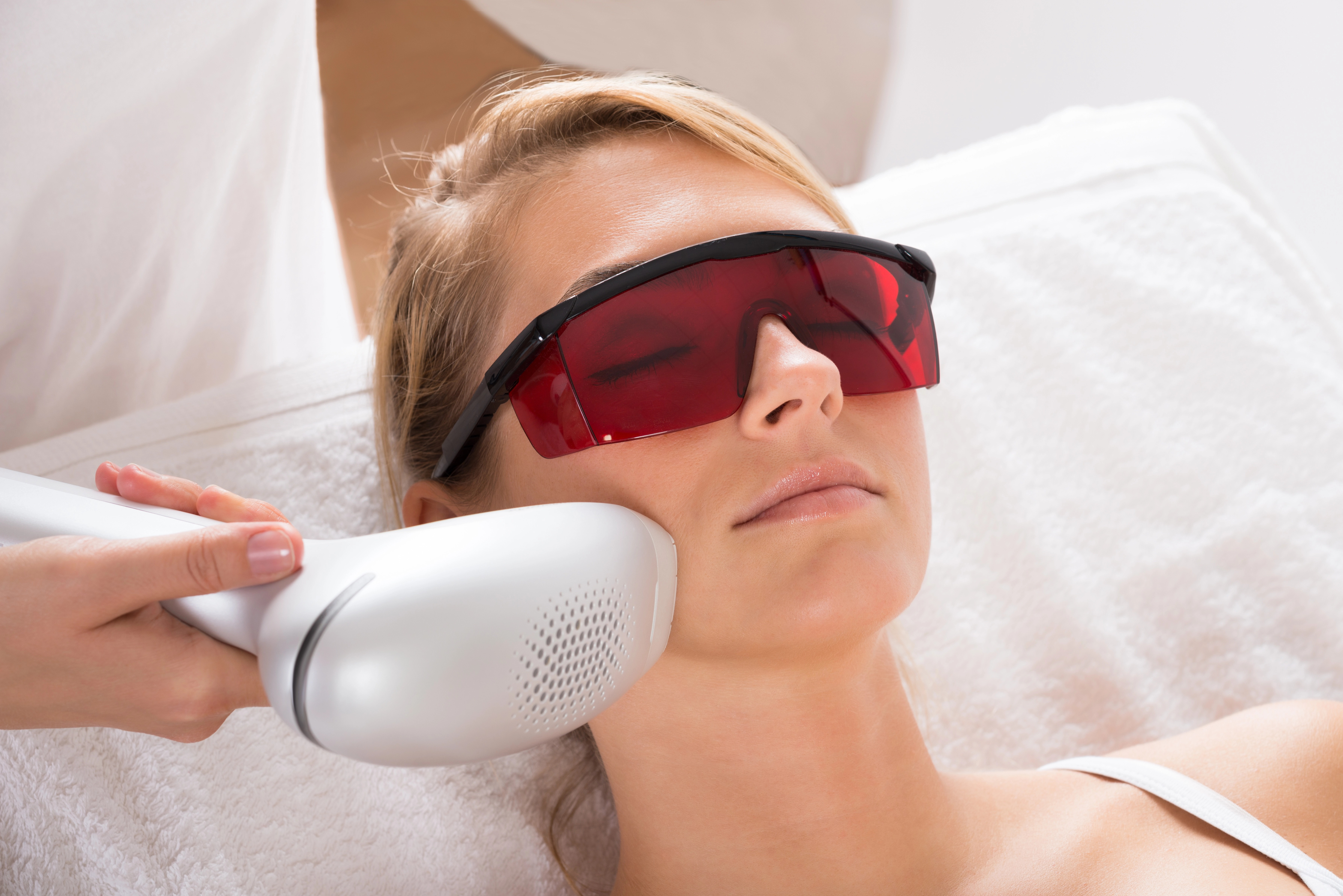
The Avava laser is an advanced non-ablative laser system that uses proprietary Focal Point Technology to deliver precise energy deep into the dermis while sparing the epidermis, making it one of the first laser platforms safe for all skin tones including Fitzpatrick types I through VI. It received FDA clearance for acne scar treatment in April 2025 and is available at the Riviera Medical Spa at Montecito Plastic Surgery in Santa Barbara.
What Is the Avava Laser?
For most of the history of laser skin treatments, there has been a fundamental trade-off: the most effective results required ablative energy that removed the outer skin layers, and that ablation carried a meaningful risk of pigmentation complications in patients with darker skin tones. The choice for Fitzpatrick type IV, V, and VI patients was often between accepting less effective non-ablative options or accepting elevated risk with more powerful treatments. Avava changes this calculus.
The Avava laser treatment uses Focal Point Technology to deliver high-energy laser pulses at precise depths within the dermis while protecting the outer epidermis from significant thermal exposure. Rather than ablating the skin surface the way CO2 and traditional resurfacing lasers do, Avava focuses its energy below the surface, where collagen and elastin are produced, creating a controlled wound response deep in the dermis that stimulates natural tissue remodeling without creating visible surface wounds.
The integrated ComfortCool system provides continuous cooling throughout the treatment, which serves both a comfort function and a protective function for the outer skin layers. Results develop progressively over weeks and months as the body's natural collagen remodeling process matures, with most patients seeing the optimal outcome at approximately three months following their final session.
Avava is FDA-cleared, with clearance for acne scar treatment received in April 2025. All Avava laser treatments at the Riviera Medical Spa are performed by expert aesthetic nurses following the protocols of Dr. Adam Lowenstein, a board-certified plastic surgeon who has been double board-certified and who oversees all treatment protocols at the med spa.
Why Avava Is a Breakthrough for Darker Skin Tones
The Fitzpatrick scale classifies skin tones from Type I (very fair, always burns) through Type VI (deeply pigmented, never burns). Traditional ablative lasers, including CO2 and aggressive fractional devices, work by creating controlled thermal damage to the skin's surface. In patients with higher Fitzpatrick types, this surface thermal injury carries a significant risk of triggering post-inflammatory hyperpigmentation (PIH), where the skin produces excess melanin in response to the injury, creating dark patches that can persist for months. Hypopigmentation, where the skin loses pigment in the treated area, is also a risk.
For decades, this reality meant that many patients with medium to dark skin tones were told by providers that laser treatment was not appropriate for them, or were steered toward weaker non-ablative alternatives that produced modest results. The result was a meaningful disparity in access to effective laser skin treatment based on skin tone.
Avava's epidermal-sparing approach directly addresses this. Because the energy is focused below the skin's surface, the melanin-rich epidermis is not subjected to the kind of broad thermal injury that triggers post-inflammatory pigmentation changes. The laser creates its regenerative wound response in the dermis, where collagen and elastin production occurs, without the surface ablation that puts darker skin at elevated risk. Avava is explicitly designed to be safe for all skin types including Fitzpatrick Types I through VI, making it one of the most genuinely inclusive laser platforms available in aesthetic medicine.
For patients with darker skin tones who have been told they cannot safely have laser treatment, or who have had negative experiences with laser treatments in the past, Avava represents a meaningfully different option worth discussing in a consultation.
How Focal Point Technology Works
Understanding what makes Avava different from other non-ablative laser systems requires understanding the distinction between how different laser technologies interact with skin tissue.
Traditional ablative lasers like CO2 remove the outer skin layers entirely, ablating through the epidermis and into the dermis. This creates powerful stimulation for collagen remodeling and surface renewal, but the surface ablation is what drives extended downtime and the pigmentation risk in darker skin.
Traditional fractional lasers (both ablative and non-ablative fractional devices) create thousands of micro-columns of laser energy that penetrate through all layers of the skin from the surface down. The surrounding untreated tissue supports faster healing than fully ablative approaches, but the energy still passes through the epidermis, maintaining some risk of surface complications.
Avava's Focal Point Technology takes a different geometric approach. The laser energy is focused at a precise depth within the dermis, below the epidermis, with the energy concentrated at the targeted treatment depth rather than distributed from the surface downward. The outer skin layer is largely spared from the thermal exposure. This is what enables Avava to stimulate collagen remodeling deep in the dermis while significantly reducing the risk of surface complications including the post-inflammatory hyperpigmentation that has historically limited laser options for patients with darker skin.
The practical effect is a treatment that stimulates the same kind of deep dermal collagen remodeling that drives long-term skin improvement, with a recovery profile that reflects the minimal surface involvement. Superficial treatments may produce only one to three days of mild redness and swelling. Deeper treatment settings may produce two to seven days of more noticeable redness and swelling as the deeper inflammatory response resolves. In either case, visible surface wounds, peeling, and crusting are not part of the expected recovery the way they are with ablative approaches.
What Avava Treats
Avava addresses a broad range of skin concerns by stimulating collagen and elastin production deep in the dermis and, for specific indications, targeting pigmentation and textural irregularities at the cellular level:
Acne scarring and textural irregularities (FDA-cleared indication)
Fine lines and early wrinkles
Sun damage and age spots
Uneven skin tone and hyperpigmentation
Enlarged pores
Loss of skin firmness and early laxity through soft tissue coagulation
Dull or rough skin texture
Overall skin quality and clarity
The acne scar application is particularly significant. Avava's Focal Point Technology delivers high-energy pulses deep into the dermis where acne scars form, stimulating collagen remodeling in the pitted or depressed areas over the course of the treatment series. Because this works without surface ablation, patients can pursue acne scar treatment without the extended downtime or elevated PIH risk that comes with traditional resurfacing approaches, including patients with skin tones that have historically been poor candidates for ablative scar treatment.
Interested in Avava laser for your skin concerns? Schedule a consultation at the Riviera Medical Spa to see if you are a candidate. Call (805) 969-9004.
The Treatment Experience: What to Expect
Before Your Avava Treatment
In the two weeks before treatment, patients should avoid sun exposure, tanning, retinoids, and active skincare ingredients including vitamin C serums, AHAs, and BHAs. These steps help maximize the results of the treatment and reduce the risk of any sensitivity or complications. Keeping the skin well-hydrated in the days leading up to the appointment is also recommended.
During Treatment
A topical numbing cream is applied before the session begins, and the Avava device's integrated ComfortCool system provides continuous cooling throughout the procedure. The primary sensations during treatment are mild warmth and the cooling effect of the ComfortCool system. Significant pain is uncommon, and most patients describe the experience as comfortable and well-tolerated.
Treatment sessions take 30 to 90 minutes depending on the area being treated and the depth of the settings used. Avava can be used on the face, neck, chest, and hands, making it a versatile option for addressing signs of aging and sun damage beyond the face.
Recovery and Results Timeline
Recovery from Avava varies depending on the treatment depth and intensity. Superficial treatments typically produce only one to three days of mild redness and swelling, similar to a moderate sunburn, with most patients feeling socially comfortable within a few days. Deeper treatment settings produce a more pronounced response, with swelling peaking around days two to three and improving substantially by day four, with a full comfortable social appearance typically restored within a week.
Unlike ablative treatments, there is no significant peeling, crusting, or wound care involved in Avava recovery. The skin surface remains largely intact, and the healing process is primarily internal as the dermis responds to the focused energy.
Results from Avava develop progressively. Most patients notice improvements in skin smoothness and overall radiance after the first treatment. By the second session, improvements in skin firmness become more apparent as early collagen remodeling produces visible structural changes. Optimal results are typically visible at approximately three months following the final treatment as the full collagen remodeling cycle matures. Most patients achieve their best outcomes with two to three treatments spaced four to six weeks apart.
Avava as Part of a Comprehensive Facial Rejuvenation Plan
One of the most compelling applications of Avava is its ability to work alongside surgical rejuvenation rather than instead of it. Dr. Lowenstein frequently integrates Avava as a regenerative treatment at the time of DeepFrame Facelift surgery, allowing patients to address the deep structural framework of the face through surgery and the quality of the skin surface through Avava in a single treatment event. This combination approach produces results that address both the architectural cause of aging and the skin-quality changes that occur independently of structural descent.
For patients who are not pursuing surgery, Avava fits naturally into a comprehensive non-surgical treatment plan alongside Botox, Daxxify, or dermal fillers. Each of these addresses a different component of aging: neuromodulators manage dynamic wrinkles, fillers address volume concerns, and Avava works on the intrinsic quality, texture, firmness, and tone of the skin itself. Combining them means each treatment is doing what it does best rather than asking any single modality to address concerns that fall outside its mechanism.
Avava can also be combined with CoolPeel laser or Vivace RF microneedling as part of a layered approach to skin rejuvenation, with each technology addressing different depths and tissue types. These multi-modality approaches are discussed during consultation at the Riviera Medical Spa, where the team evaluates each patient's skin and goals to determine the most appropriate combination and sequencing of treatments.
How Avava Compares to Other Laser Technologies
Factor | Avava | CoolPeel | Traditional CO2 |
Approach | Non-ablative, energy focused below epidermis | Ablative, targets superficial skin layer | Fully ablative, epidermis and dermis |
Safe for Darker Skin Tones | Yes, Fitzpatrick I through VI | Consult provider (ablative, surface involvement) | Higher risk for Fitzpatrick IV and above |
Downtime | 1 to 7 days depending on depth | 1 to 2 days | 5 to 14 days |
Surface Wounds or Peeling | No | Mild flaking | Yes, significant peeling |
Best For | Acne scars, collagen stimulation, all skin tones, pigmentation | Fine lines, texture, mild sun damage | Deep wrinkles, severe scarring, significant laxity |
Sessions Needed | 2 to 3 treatments | 2 to 3 treatments | Often 1 treatment |
Results Timeline | Progressive over 3 months | Visible from week 1, improves over weeks | Dramatic after healing; continues improving for months |
The most meaningful distinction for many patients is the skin tone safety profile. If you have a medium to darker complexion and have been hesitant about laser treatments because of concerns about pigmentation risk, Avava is specifically designed to address that barrier. The comparison above is intended as a general guide; the Riviera Medical Spa team will assess your individual skin type, concerns, and goals during consultation to recommend the most appropriate approach.
Why the Riviera Medical Spa Adopted Avava Early
Montecito Plastic Surgery is among the earlier practices to offer and educate patients about Avava. The decision reflects the practice's commitment to offering treatments that meet a genuine clinical need rather than simply adding devices that duplicate existing capabilities. Avava fills a specific gap in the laser treatment landscape: a non-ablative platform capable of producing meaningful dermal stimulation across all skin tones with a recovery profile that fits into a busy life.
For the Riviera Medical Spa, which serves a diverse patient population from Santa Barbara, Los Angeles, Ventura, and Thousand Oaks, having a high-efficacy laser option available to patients of all backgrounds and skin tones is a meaningful clinical and practical advantage. It means the team is not turning away patients or offering them only second-best alternatives based on their complexion.
Frequently Asked Questions
Is the Avava laser FDA-cleared?
Yes. The Avava laser received FDA clearance for acne scar treatment in April 2025. It is an advanced non-ablative laser system that uses Focal Point Technology to deliver controlled energy deep into the dermis while sparing the outer epidermis. This mechanism is what enables its safety profile across all skin tones and its application for acne scar treatment without the ablative surface damage associated with traditional resurfacing approaches.
Is Avava safe for dark skin?
Avava is one of the first laser platforms explicitly designed to be safe for all skin tones, including Fitzpatrick types I through VI. Its epidermal-sparing Focal Point Technology delivers energy below the skin's surface rather than through it, significantly reducing the risk of post-inflammatory hyperpigmentation that has historically made ablative and some fractional laser treatments risky for patients with darker complexions. Patients with Fitzpatrick type IV, V, or VI skin who have previously been told they are not candidates for laser treatment are encouraged to discuss Avava at a consultation.
How many Avava treatments will I need?
Most patients achieve optimal results with two to three treatments spaced four to six weeks apart. Results develop progressively, with improvements in skin smoothness and tone appearing after the first session, increased firmness becoming apparent by the second session, and the full benefit of collagen remodeling visible at approximately three months after the final treatment. Some patients with more advanced concerns may benefit from additional sessions, which is discussed during the initial consultation and reassessed after each treatment based on the skin's response.
Can Avava be combined with other treatments?
Yes. Avava can be integrated with surgical procedures, including the DeepFrame Facelift, to simultaneously address structural and skin-quality aspects of facial aging. For non-surgical patients, it pairs well with neuromodulators, fillers, CoolPeel, and Vivace RF microneedling as part of a comprehensive treatment plan. Specific combination protocols are determined during consultation at the Riviera Medical Spa based on each patient's skin, goals, and tolerance for downtime.
What does Avava recovery feel like compared to CoolPeel?
CoolPeel produces a mild sunburn-like redness for one to two days with some superficial flaking as the treated skin cells shed. Avava recovery varies more by treatment depth but generally involves redness and swelling without surface peeling or visible wounds. For superficial Avava treatments, the recovery is similar to or milder than CoolPeel. For deeper Avava settings targeting more significant concerns, the swelling and redness may be more pronounced for two to three days before resolving over the following week. Neither treatment requires the wound care or extended social downtime associated with traditional CO2 resurfacing.
Does Avava treatment hurt?
Avava is generally well-tolerated. A topical numbing cream is applied before treatment, and the integrated ComfortCool system provides continuous cooling throughout the session. Most patients describe a sensation of mild warmth combined with the cooling effect of the device. Significant pain during treatment is uncommon, and no sedation or anesthesia is required. The experience is typically described as comfortable relative to other laser procedures.
The Avava laser is available at the Riviera Medical Spa at Montecito Plastic Surgery. Contact us at (805) 969-9004 to book your consultation and learn how Avava’s Focal Point Technology can transform your skin.