
What is CO2 laser resurfacing? Procedure, costs, benefits, and results in 2026
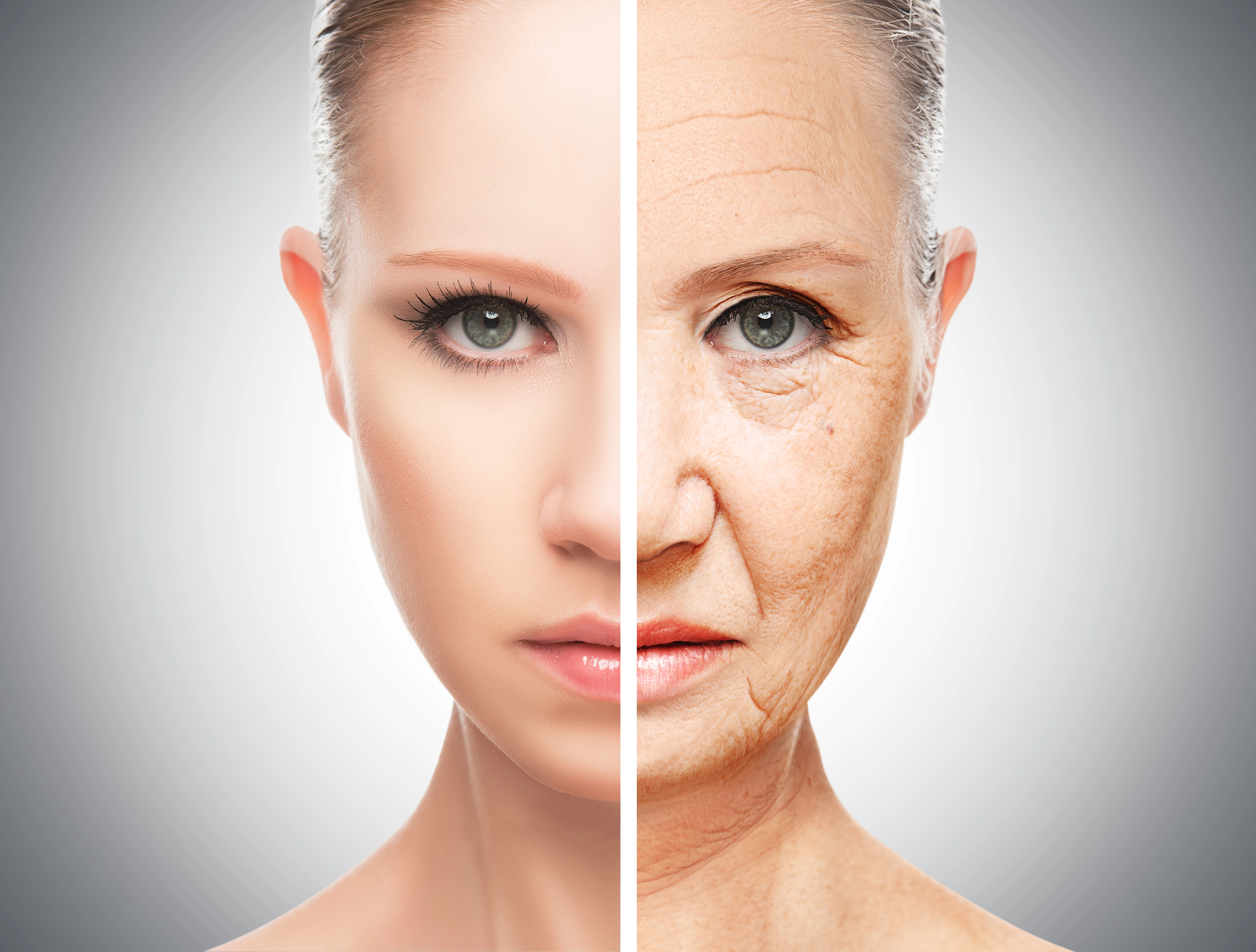
Fine lines, wrinkles, and sun damage don't have to be permanent, thanks to powerful advancements in skin rejuvenation technology. CO2 laser resurfacing provides a highly effective cosmetic solution for advanced skin concerns in 2026, offering remarkable improvement for those dealing with deep wrinkles, stubborn scars, and extensive sun damage. This non-invasive treatment combines improved technology with greater comfort to deliver one of the most transformative skin renewal options available today.
In this guide, we'll explore everything you need to know about CO2 laser resurfacing. You'll learn about costs, benefits, risks, and recovery timelines so you can make an informed decision about this procedure.
What is CO2 laser resurfacing?
CO2 laser resurfacing uses focused beams of light energy to remove damaged outer layers of skin. These carbon dioxide lasers deliver pulses of light that turn water in skin cells into vapor, a process called ablation. This removal of damaged skin allows fresh, new skin to form, resulting in a smoother, tighter appearance.
The main purpose is to address moderate to severe skin concerns that don't respond well to milder treatments. These include deep wrinkles around the mouth and eyes, stubborn acne scars, rough skin texture, and sun damage. Patients typically see improvements that last for years and can expect to look five to 10 years younger after full healing. Unlike temporary fixes, CO2 laser resurfacing stimulates your body's natural collagen production, providing ongoing improvements for months after the procedure.
Trends and stats for CO2 laser resurfacing in 2026
Since becoming the gold-standard treatment for serious skin concerns, it’s no wonder why 83% of patients on RealSelf have rated the procedure “worth it”. The higher demand for non-invasive procedures has propelled the popularity of the CO2 laser market, with CO2 lasers maintaining their position as one of the most effective options for addressing advanced aging signs and deep scarring.
The biggest game-changer has been the widespread adoption of fractional CO2 laser technology. These systems treat only portions of the skin at a time, leaving small bridges of untreated skin that speed healing and reduce downtime by up to 50% compared to traditional CO2 lasers. Modern systems also offer better cooling features and more precise energy delivery, resulting in more comfortable treatments with more consistent results.
The benefits of CO2 laser resurfacing
This powerful treatment provides the following advantages:
Reducing fine lines and wrinkles
CO2 lasers excel at smoothing out even the deepest wrinkles, especially those around the mouth and eyes. The laser energy removes the worn outer skin layers while heating deeper layers, triggering collagen production. Many patients see a 50% to 75% improvement in deep wrinkles after just one treatment, with results that continue to improve for up to six months as new collagen forms.
Minimizing acne scars and other blemishes
For people who have lived with acne scars for years, CO2 laser resurfacing often provides dramatic improvement. The treatment works by removing the uneven, scarred skin surface and stimulating the growth of new, smoother skin. It's particularly effective for "rolling" and "boxcar" scars that create depressions in the skin. Even scars that have been present for decades can be improved, with patients showing up to a 75% improvement.
Enhancing skin tone and texture
CO2 laser resurfacing improves skin quality by removing damaged, uneven outer layers. This eliminates sun spots, rough patches, and areas of discoloration that make skin look aged. The fresh skin that develops has a more even tone and smoother texture. Many patients find that problems they've tried to cover with makeup for years are significantly improved or completely resolved.
Stimulating collagen production for long-term improvement
One of the most valuable benefits is that CO2 laser treatment triggers your body's natural collagen production. The controlled damage activates your skin's healing response, causing it to produce fresh collagen and elastin fibers. This means that improvements continue for months after the initial treatment, as the new collagen creates firmer, plumper skin with improved elasticity.
Offering customizable treatments for individual skin needs
Modern CO2 laser systems allow practitioners to adjust settings for each patient's concerns. The depth, intensity, and treatment pattern can be customized based on your skin type, concerns, and tolerance for downtime. Your provider can even vary settings for different areas of your face, using more aggressive treatment on areas with deeper wrinkles and gentler settings on more delicate skin.
Considerations for CO2 laser resurfacing – who should get it?
People typically choose CO2 laser resurfacing when they want serious improvement for stubborn skin problems. Common concerns include deep wrinkles, severe sun damage, and acne scarring that hasn't responded to milder treatments. Many choose this option when they want more noticeable results than less intensive procedures but aren't ready for surgical options.
Ideal candidates share these key characteristics:
Good overall skin health: Your skin should be free from active infections and healthy enough to heal properly.
No active acne or infections: The treatment works best on skin that isn't currently breaking out, as these conditions can interfere with healing.
Realistic expectations: Understanding that while results can be powerful, no treatment creates perfect skin.
At what age is CO2 laser resurfacing most common?
Most people who choose CO2 laser resurfacing are between their late 30s and early 60s. This age range typically coincides with when skin concerns become more noticeable but before skin becomes too thin for aggressive treatments. Younger patients might opt for it to address severe acne scarring, while older adults choose it to reverse multiple signs of aging.
Skin color and CO2 laser resurfacing
Skin tone plays an important role in determining suitability. People with fair to medium skin tones typically have the lowest risk of complications. Those with darker skin tones face a higher risk of post-inflammatory hyperpigmentation, where the treated skin becomes darker than surrounding areas. This doesn't mean the treatment is off-limits, but it requires an especially skilled practitioner who understands how to adjust settings appropriately.
To minimize risks, proper pre-treatment preparation is essential. This often includes using skin-lightening products for several weeks before treatment. After treatment, diligent sun protection becomes important, as newly formed skin is particularly vulnerable to pigmentation changes.
How much does CO2 laser resurfacing cost?
The price typically ranges from $2,000 to $6,000 per treatment session. Several factors affect cost. Full-face treatments generally cost more than smaller areas, and prices in major cities tend to be higher. The provider's experience level plays a major role, board-certified plastic surgeons typically charge more than medical spas. The specific technology used also impacts price.
Several financing options exist, including medical credit cards like CareCredit, in-house payment plans, and medical loans from companies like Prosper Healthcare Lending, which specialize in cosmetic surgery financing with fixed interest rates and predictable monthly payments.
A step-by-step look at the CO2 laser resurfacing procedure
Here’s what you can expect before, during, and after the procedure.
Pre-treatment consultation
Your experience begins with a thorough consultation. Your provider will examine your skin, discuss your concerns and goals, and determine if you're a good candidate. They'll review your medical history, current medications, and previous skin treatments. Use this opportunity to ask questions and see before and after photos of previous patients with similar skin issues.
Preparing for the procedure
Preparation typically begins two to four weeks before your appointment. Your provider may prescribe antiviral medication to prevent cold sore outbreaks. You'll likely need to stop using retinoids, acids, and other active skincare ingredients. Avoid sun exposure during this time. Some patients are also prescribed skin-lightening creams, especially if you have a history of hyperpigmentation.
The procedure itself
The treatment takes about 30 minutes to 2 hours, depending on the areas being treated. Your provider will clean your skin and apply numbing cream for your comfort. For deeper treatments, you might receive local anesthesia or twilight sedation. The provider uses a handpiece to deliver precise laser pulses across the treatment area. Most people describe the sensation as a series of warm pinpricks or mild stinging.
Immediate post-treatment care
Right after treatment, your skin will be red, swollen, and may feel like a bad sunburn. Your provider will apply soothing ointment and give you care instructions. For the first 24 to 48 hours, keep your skin moist with prescribed ointments and clean with gentle washing. Most people take three days to a week of downtime for recovery.
Exploring different types of laser skin resurfacing
The following options come with unique benefits and limitations:
Ablative lasers: precision for dramatic results
Ablative lasers vaporize the outer skin layers completely. This approach allows for dramatic results, making it ideal for deep wrinkles, sun damage, and scarring. The tradeoff is a longer recovery period, typically one to two weeks of visible redness and peeling. Many patients choose ablative treatments because a single session can provide results that would take multiple treatments with gentler options. Examples of ablative lasers include CO2 and Erbium lasers.
CO2 Lasers: gold standard for advanced skin rejuvenation
CO2 lasers remain the gold standard in laser skin resurfacing, precisely removing damaged skin layers by targeting water in skin cells. Most effective for severe concerns like deep wrinkles, scars, and sun damage, these treatments can be customized to patient needs. Though recovery takes longer than other options, the dramatic, long-lasting improvements in skin texture and tone typically justify the wait.
Erbium lasers: targeted treatment for delicate areas
Erbium lasers are slightly gentler than CO2 while still providing substantial results. They target water in the skin more precisely, causing less heat damage to surrounding tissues. This translates to faster healing, typically five to seven days rather than seven to 14. They're particularly useful for treating delicate areas like the neck, chest, and hands.
Non-ablative lasers: gentle skin renewal
Non-ablative lasers heat the deeper skin layers without removing the surface. While much gentler, they require multiple sessions (typically two to four) and provide more subtle results. These are ideal for patients with mild to moderate concerns who can't afford downtime or prefer a gradual approach. Non-ablative lasers are often fractionated.
Fractional lasers: the best of both worlds
Fractional lasers treat only a fraction of the skin at once in a pixelated pattern, leaving small bridges of untreated skin that speeds healing. Fractional treatments offer tremendous benefits for mild to moderate skin concerns, making them popular for busy professionals.
Potential risks and complications to consider
While CO2 laser resurfacing can deliver impressive results, it's important to understand the potential risks. Common side effects include prolonged redness lasting two to three months, swelling, and minor itching during healing. Less frequent effects may include temporary changes in skin pigmentation, which are more common in individuals with darker skin tones. In rare cases, scarring or infection can occur.
Choosing a qualified provider dramatically reduces your risk of complications. Look for board-certified plastic surgeons with specific training in CO2 laser procedures. Ask to see before and after photos of their previous patients and ask how many laser procedures they perform monthly.
What to expect during recovery
Recovery happens in stages. The first seven to 14 days involve the most visible healing, with redness, swelling, and peeling as your skin sheds its damaged layers. During this period, keep your skin clean and moisturized. Avoid makeup and sun exposure. Most people feel comfortable returning to work after seven to 10 days, though some redness may remain. The less visible healing continues for several months, with full results appearing around three to six months.
Proper aftercare plays a vital role. Gentle cleansing with a mild cleanser helps remove debris without irritating healing skin. Thick ointments keep the skin moist during early healing, gradually transitioning to lighter moisturizers. Sun protection becomes essential—daily use of broad-spectrum SPF 30+ and avoiding direct sun exposure for at least four to six weeks will protect your investment.
How long do CO2 laser resurfacing results last?
The results can last for years, making it one of the longer-lasting non-surgical skin treatments available. Most patients enjoy visible improvements for three to five years or more, though this varies based on several factors. Your age, skincare habits, sun exposure, and lifestyle choices influence longevity. Smoking, unprotected sun exposure, and poor skincare habits can shorten your results, while good skincare (including retinoids, antioxidants, and daily sunscreen) can help maintain them.
CO2 laser resurfacing vs. other skin treatments: which is right for you?
CO2 lasers provide more dramatic improvement than chemical peels, with even the deepest phenol peels rarely matching the collagen stimulation of a CO2 laser. While microneedling typically demands a series of three to five sessions for notable improvement, a single CO2 treatment can deliver dramatic results in just one visit.
The best choice depends on your specific concerns and priorities. If you have deep wrinkles or significant scarring and can accommodate one to two weeks of downtime, CO2 laser resurfacing likely offers the most efficient path to improvement. However, if your concerns are mild to moderate or you need to avoid downtime completely, a series of gentler treatments might better suit your needs.
Non-laser alternatives for skin rejuvenation
For those who aren't ready for CO2 laser resurfacing, several alternatives exist. Radiofrequency microneedling combines tiny needles with heat energy to stimulate collagen without removing skin layers, offering moderate improvement with two to three days of downtime. This works well for those with darker skin tones. Deep chemical peels can address moderate wrinkles and sun damage, though they also require significant downtime. Treatments like Ultherapy use focused ultrasound to tighten deeper tissues without affecting the skin surface.
These alternatives typically require multiple sessions and provide more gradual results.
CO2 laser resurfacing before & after photos
Before and after photos reveal the remarkable transformation possible with CO2 laser resurfacing, showing dramatic improvements in wrinkles, scarring, and overall skin texture. Remember that individual results vary based on your starting skin condition, age, and how your body responds to the laser 
Important questions to ask your doctor before CO2 Laser resurfacing
Use the following questions to guide your discussion with your doctor before scheduling your treatment:
What results can I realistically expect?
How much downtime will I need, and when can I return to work?
What are the risks and side effects specific to my skin type?
How many CO2 laser treatments have you performed?
What is your approach if complications occur?
Will I need one treatment or multiple sessions?
How should I prepare my skin before treatment?
What products should I use during recovery?
Conclusion
CO2 laser resurfacing remains one of the most effective options for addressing advanced skin concerns in 2026. The treatment offers powerful rejuvenation by removing damaged skin layers and stimulating collagen production. While recovery requires patience, with redness and peeling lasting seven to 14 days, the results justify the downtime for many patients. A single treatment can dramatically improve deep wrinkles, acne scars, and sun damage, with results lasting for years with proper skincare.
Working with a skilled practitioner is essential for safe treatment and optimal results. When you’re ready to discover what CO2 laser resurfacing can do for your skin, connect with us at Montecito Plastic Surgery. At our fully accredited, private Santa Barbara facility, you'll find a CO2 laser treatment tailored to your unique skin concerns. Dr. Lowenstein brings board-certification and active American Board of Plastic Surgery experience to every procedure. Patients praise his commitment to exceptional care.
Call 805-969-9004 to schedule your consultation.