
The Pros and Cons of a Deep Plane Facelift
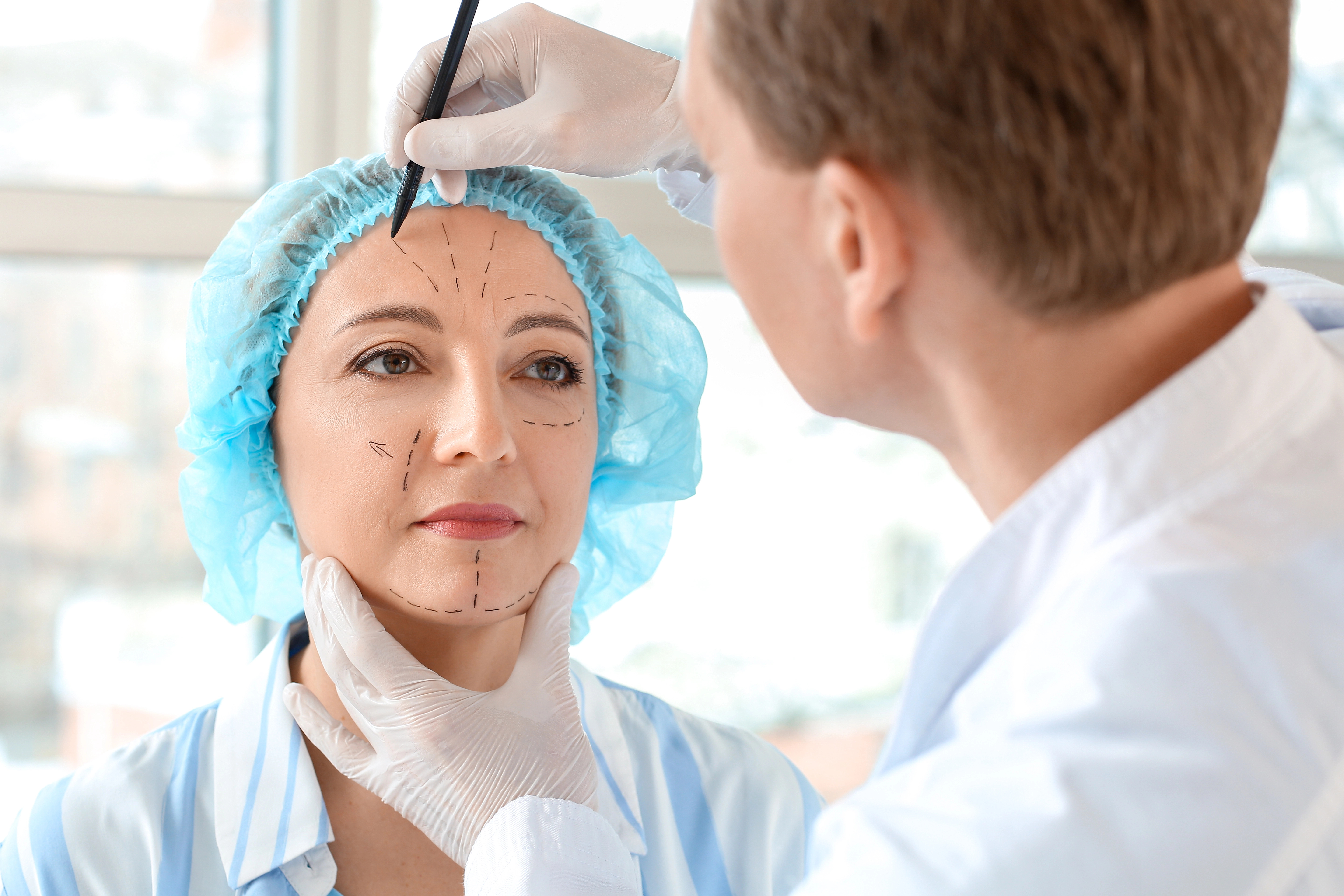
The deep plane facelift has become the most respected technique in modern facial rejuvenation for good reason. By operating beneath the SMAS layer to release and reposition the deep structural tissues of the face, it produces results that look natural, last a decade or more, and address the actual mechanical cause of facial aging rather than its surface symptoms. But it's also the most technically demanding facelift approach available, and choosing it means choosing a more significant surgical investment. Understanding both sides of that equation is what allows patients to make a genuinely informed decision.
What Is a Deep Plane Facelift?
A deep plane facelift is a surgical technique that goes beneath the SMAS layer to release the deep-seated ligaments that tether the facial tissues in their descended position. Rather than tightening the SMAS from above or simply pulling the skin, the deep plane approach mobilizes the entire composite of muscle and fat as a single connected unit, allowing the surgeon to reposition the deep structural layers rather than just manipulating the surface.
This is what distinguishes it fundamentally from traditional SMAS techniques. In a standard SMAS lift, the SMAS is folded or plicated without being fully mobilized. In a deep plane procedure, the ligamentous attachments are released so the deep tissues can be physically moved back toward their original anatomical positions. The skin is then redraped over this restored framework with no tension, which is the key to both natural results and minimal scarring.
Dr. Adam Lowenstein performs the DeepFrame Facelift, his proprietary evolution of the deep plane approach, which extends the methodology to integrate sub-periosteal midface elevation, multi-vector repositioning, and a fully tension-free skin closure. The technique is documented in detail in The DeepFrame Facelift: A Structural Guide to Modern Facial Rejuvenation.
The Pros of a Deep Plane Facelift
1. Unmatched Natural-Looking Results
Because the lift is achieved through structural repositioning rather than skin tension, the face doesn't develop the pulled, windswept appearance associated with older facelift techniques. The skin sits naturally over the restored deep framework without being stretched toward the ears. Facial expressions remain fluid and authentic. People notice that a patient looks rested and refreshed rather than identifying surgery as the explanation.
This is the outcome that patients pursuing a deep plane facelift are most consistent about wanting: a result that looks like them at a younger point in time, not a different person.
2. Superior Midface Rejuvenation
One of the most clinically significant advantages of the deep plane approach is its ability to address the midface, the cheeks and the area beneath the lower eyelids, which most facelift techniques leave largely untreated. By working at depth, the surgeon can physically lift the malar fat pads back to the cheekbone, restoring the natural convexity of the cheek and softening the nasolabial folds structurally rather than filling them with volume.
This midface restoration creates the seamless lower eyelid-to-cheek transition that defines a youthful face, reduces the need for ongoing filler maintenance in those areas, and ensures the result looks balanced across the entire face rather than improved only along the jawline.
3. Long-Lasting Results
Because the correction is anchored in the deeper, structurally stable tissues of the face rather than in the skin, the results hold significantly longer than surface-level approaches. A well-executed deep plane facelift typically provides ten to fifteen years of meaningful rejuvenation, compared to the two to five years more commonly seen with skin-tension techniques or mini facelifts.
The face continues to age after a deep plane facelift, but it does so from a significantly younger structural baseline, often leaving patients looking noticeably younger than their chronological age for many years beyond the procedure itself.
4. Seamless Incision Healing and Minimal Scarring
Tension on the skin is the primary cause of widened, visible facelift scars. When the structural layers do all the work and the skin is closed with no mechanical load, the incisions heal as fine, flat lines that are difficult to detect even under close inspection. There's no stretching of the earlobes, no distortion of the hairline, and no visible pulling at the corners of the eyes or mouth.
The retro-tragal incision placement, which follows the natural contours of the ear, keeps the scars hidden within anatomical shadows even when they're fully healed.
5. More Effective Neck and Jawline Definition
The deep plane approach extends naturally into the neck through what's known as the cervicofacial sling, addressing the platysma muscle and the deep neck structures as a continuous unit with the lower face. This produces a sharper cervicomental angle, cleaner jawline definition, and more durable neck improvement than isolated skin tightening or superficial neck procedures can achieve.
For patients whose primary concerns include a heavy neck, visible banding, or jowling that blends into the neck, this integrated approach is particularly valuable.
6. Reduced Risk of Surface Complications
Because all of the mechanical support comes from the deep tissues rather than the skin, the risk of skin-tension complications is significantly lower than with traditional techniques. Pixie ear deformity, where the earlobe is pulled downward by excessive skin tension, is essentially eliminated. Widened scars are rare. The telltale swept lines from the mouth to the ear that mark an over-tightened facelift don't occur when the skin isn't doing the structural work.
The Cons of a Deep Plane Facelift
1. Higher Financial Investment
A deep plane facelift costs more than a traditional or mini facelift. The procedure is longer, requires more specialized training, and demands a surgeon with specific expertise in deep facial anatomy. Patients are paying for that expertise, and given that the result is something they'll live with for a decade or more, the calculus is different from a shorter-lived procedure.
Cost ranges vary based on the surgeon, the facility, and the geographic market. As with all procedures, any general figures available through online research represent broad regional averages and don't reflect pricing at Montecito Plastic Surgery. Your exact cost will be discussed during a consultation.
2. Surgical Complexity and the Critical Importance of Surgeon Selection
A deep plane facelift requires operating in close proximity to the branches of the facial nerve that control movement and expression. This is the technical reality that separates a surgeon with genuine deep plane expertise from one who performs the procedure infrequently or without specialized training.
Not all plastic surgeons who offer deep plane facelifts have the same depth of experience working in these anatomical planes. Dr. Lowenstein's background is unusual in this regard: his work in nerve decompression surgery for migraine patients has given him decades of microsurgical experience navigating the precise nerve structures of the head and neck that are encountered in deep plane facelift surgery. This expertise allows for more extensive and effective tissue mobilization with a higher margin of safety than surgeons who encounter these structures primarily in the aesthetic context. Choosing a surgeon with verifiable, specific experience in deep plane anatomy is the most important decision in this process.
3. Deep-Tissue Swelling Takes Longer to Fully Resolve
Surface bruising in a deep plane facelift typically resolves faster than with traditional techniques, because the blood supply to the skin is better preserved when extensive undermining isn't required. But the internal deep-tissue swelling takes longer to fully resolve. Most patients look socially presentable within ten to fourteen days, but the final refined contours of the jawline, midface, and neck continue to settle over three to six months. The absolute final result is best evaluated at the one-year mark.
This isn't a complication or a problem. It's the nature of deeper tissue healing. But patients should understand going in that the result they see at two weeks is a very good preview, not the finished product.
4. Longer Time in the Operating Room
Because the deep plane approach is more meticulous and involves navigating more complex anatomy than a SMAS plication or skin-tension facelift, surgery takes longer. More time under anesthesia is a genuine consideration, particularly for patients with certain health factors. This is one of the reasons a thorough pre-operative health evaluation is essential, and why the procedure is best performed at an accredited surgical facility with experienced anesthesia support.
5. Temporary Nerve Sensitivity During Healing
Working in the deep planes of the face means working in closer proximity to sensory nerves, and temporary numbness or altered sensation in the cheeks, jaw, and areas near the incisions is a normal and expected part of recovery. For most patients, sensation returns gradually over weeks to months as the sensory nerve fibers regenerate. Temporary motor nerve effects, such as mild facial asymmetry during movement, can occasionally occur but are uncommon with an experienced deep plane surgeon and resolve with healing. Permanent motor nerve injury is extremely rare in skilled hands.
Who Is a Good Candidate for a Deep Plane Facelift?
Ideal Candidates
The best candidates for a deep plane facelift are patients who have developed meaningful structural changes that a less invasive approach can't adequately address. This typically includes patients with significant midface sagging, heavy jowling, deep nasolabial folds, and neck laxity who want a comprehensive, long-term solution rather than a partial or temporary improvement.
Good candidates are in good general health, are non-smokers (or committed to cessation well before and after surgery), have realistic expectations about what surgery can achieve, and understand that the final result takes months to fully emerge. There is also a growing trend toward earlier intervention: patients in their late forties and early fifties who address structural changes before significant skin elasticity is lost often achieve the most natural-looking results because the correction is more subtle and the tissues are more resilient.
Who May Not Be the Right Fit
Patients with only early, mild skin laxity who are in their early forties may not yet need the full scope of a deep plane procedure and might be better served by a mini facelift, a less invasive SMAS approach, or even a strategic non-surgical plan for now. Patients seeking a quick fix with minimal downtime should understand that a deep plane facelift isn't that procedure. Its results are superior precisely because it's thorough, and that thoroughness requires a meaningful commitment to the recovery process.
Smokers face meaningfully elevated risks during facelift recovery, particularly in the deep plane context where blood supply to the skin flap is critical. Nicotine restricts circulation to the healing tissue in ways that can compromise skin viability near the incisions. Patients with uncontrolled medical conditions that affect healing or anesthesia safety are also not ideal candidates until those conditions are appropriately managed.
Questions to Ask Your Surgeon During a Facelift Consultation
The questions below are designed to help you evaluate whether a surgeon has the specific expertise that a deep plane facelift requires, rather than just offering it as one option among many.
How many deep plane facelifts do you perform each month, and how long have you been performing them?
Do you release the retaining ligaments, or do you perform a sub-SMAS lift?
Is sub-periosteal midface elevation part of your technique, and for which patients do you recommend it?
Can I see before-and-after photos of patients with a similar facial structure and degree of aging to mine?
What is your protocol for managing deep-tissue swelling and recovery?
Will this procedure address my neck and midface as well as my jawline?
What specific training have you had in deep plane anatomy, and do you have experience with peripheral nerve surgery or other procedures involving the facial nerve?
What is your revision rate for this technique?
A surgeon who can answer these questions specifically, clearly, and without deflection is one whose depth of knowledge matches the complexity of the procedure. Vague answers or reluctance to discuss technique details are worth noting.
Frequently Asked Questions
How is a deep plane facelift different from a SMAS facelift?
In a SMAS facelift, the SMAS layer is tightened by folding or suturing it in place (plication) without being fully released and mobilized. In a deep plane facelift, the retaining ligaments beneath the SMAS are released so the entire deep tissue composite can be repositioned rather than simply tightened. This allows for more complete structural correction, particularly in the midface, and produces results that look more natural and last longer because the correction is in the structure rather than at the surface.
Is a deep plane facelift worth the higher cost?
For patients with meaningful structural aging who want comprehensive, long-lasting results, the answer is generally yes, when viewed over the full lifespan of the result. A deep plane facelift that lasts ten to fifteen years represents a different value equation than a less expensive procedure that lasts three to five years and may require revision. The more relevant question is whether a deep plane facelift is the right procedure for your specific anatomy and degree of aging, which a structural consultation can answer.
How do I know if I need a deep plane facelift or something less invasive?
The honest answer depends on what's happening structurally in your face. If you have meaningful jowling, significant midface descent, deep nasolabial folds, and neck laxity, a deep plane procedure addresses the root cause in a way that less invasive approaches can't replicate. If your concerns are mild and you're in your early forties with good skin elasticity, a less invasive approach may be entirely appropriate for now. A consultation with a board-certified plastic surgeon who performs deep plane facelifts regularly is the most reliable way to get an honest, anatomy-based answer.
Ready to find out whether a deep plane facelift is right for you? Schedule a consultation with Dr. Adam Lowenstein at Montecito Plastic Surgery in Santa Barbara. Call (805) 969-9004 or contact us online.