
Facelift and Eyelid Surgery Together: Why Combining Procedures Delivers the Most Complete Rejuvenation
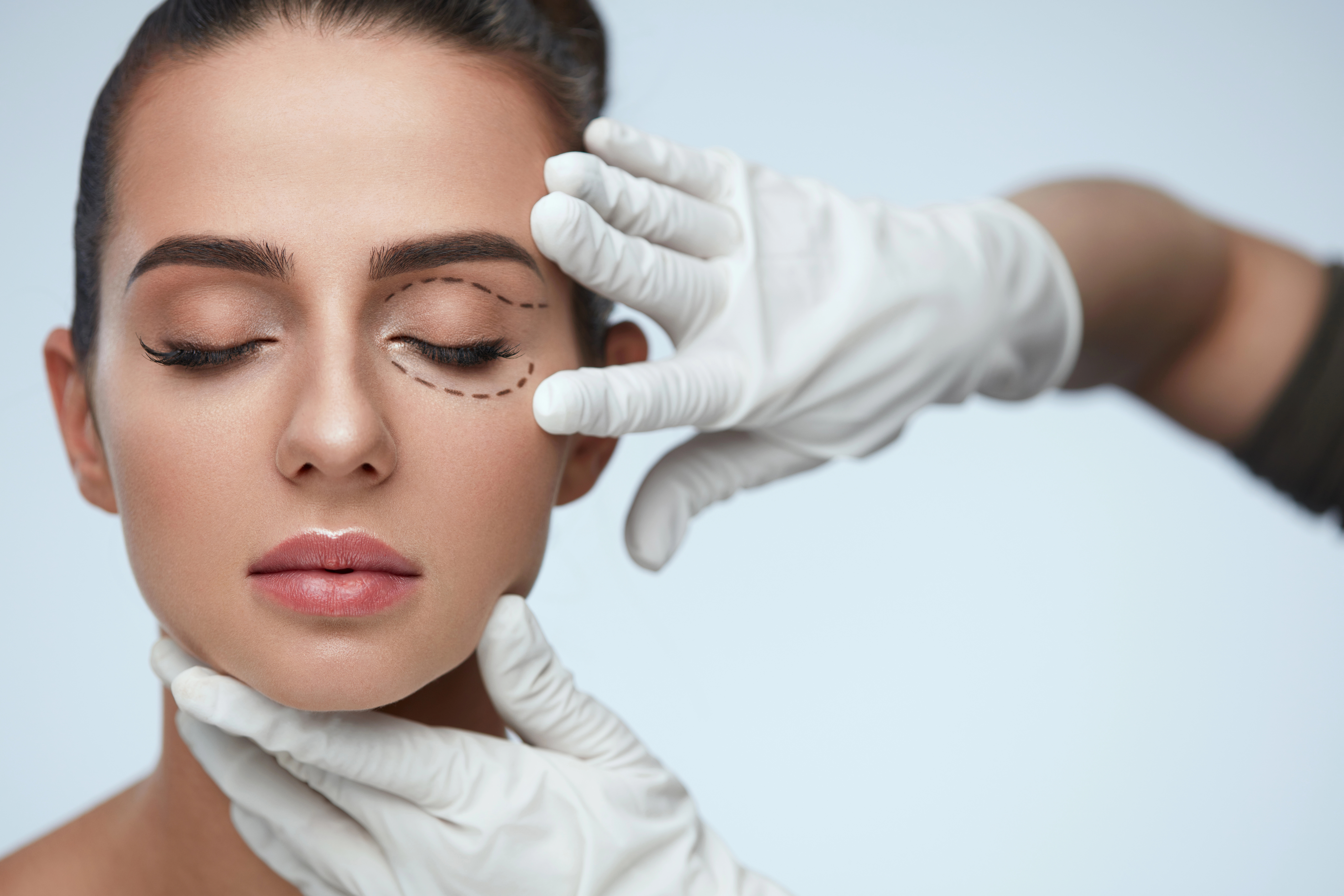
Combining a facelift with blepharoplasty (eyelid surgery) addresses facial aging across the full face rather than treating the upper and lower face in isolation. When a deep plane facelift includes midface elevation, it directly supports the lower eyelid by shortening the cheek-to-eyelid transition, creating a synergy between the two procedures that neither can achieve alone.
Why Many Facelift Patients Also Need Eyelid Surgery
Facial aging does not happen in isolated zones. The upper face, midface, and lower face age as a connected system, and addressing only one region while leaving the others untouched produces an imbalanced result. A patient who receives a beautifully executed facelift but does nothing about heavy upper eyelid hooding or under-eye bags will still look tired, no matter how refined the jawline and neck appear.
At Montecito Plastic Surgery, combining the DeepFrame deep plane facelift with eyelid surgery (blepharoplasty) in Santa Barbara is a common treatment plan, and for good reason. As Dr. Adam Lowenstein notes, most patients seeking comprehensive facial rejuvenation benefit from addressing the upper face alongside the lower face and neck. Treating both in a single surgical session produces a result that looks harmonious and complete rather than partially addressed.
The Anatomical Connection: How Midface Elevation Supports the Lower Eyelid
One of the most important and least understood aspects of deep plane facelift surgery is its direct effect on the lower eyelid. This anatomical relationship is a core reason why combining a facelift with lower blepharoplasty so often produces better results than either procedure alone.
As the midface descends with age, the lower eyelid lengthens. The fat pad of the cheek, which in youth sits high on the malar prominence and creates a smooth, uninterrupted transition from the lower eyelid to the cheek, migrates downward. This leaves a gap at the lower eyelid-cheek junction that appears as hollowing, dark circles, a deepened tear trough, and a generally tired or aged look, even in patients who are well-rested and otherwise healthy-looking.
The sub-periosteal midface elevation that is central to the DeepFrame technique directly corrects this. By lifting the soft tissues of the cheek off the bone and physically relocating the malar fat pad back to its original position, the lower eyelid is shortened and the transition between the eye and cheek is restored. As documented in Dr. Lowenstein's book The DeepFrame Facelift: A Structural Guide to Modern Facial Rejuvenation, and elaborated on in his writing on why midface position matters in facelift results, this is one of the defining structural outcomes of a true deep plane approach and one that most facelift techniques fail to achieve.
This means the facelift itself is doing part of the lower eyelid work. The sub-periosteal midface elevation technique creates the structural foundation that makes the lower blepharoplasty more effective, and in some patients with mild concerns it may reduce the extent of eyelid surgery needed.
What Eyelid Surgery Addresses That a Facelift Cannot
Upper Blepharoplasty
Upper eyelid aging is driven by a different mechanism than midface descent. Excess skin accumulates on the upper eyelid over time, creating hooding that can make the eyes look heavy, tired, or older than the patient feels. In more advanced cases, this excess skin can impair the full field of vision. A facelift does not address the upper eyelid at all. Upper blepharoplasty removes the excess skin and, where needed, addresses fat prolapse in the upper eyelid to restore a more open, alert appearance. It is a targeted procedure for a specific anatomical concern that requires direct surgical attention.
Lower Blepharoplasty
Lower blepharoplasty addresses under-eye bags, puffiness caused by fat prolapse, and excess skin beneath the lower eyelid. When performed alongside a DeepFrame Facelift that includes midface elevation, the results are meaningfully enhanced. The structural support provided by the repositioned midface creates a better foundation for the lower eyelid closure and a smoother transition between the two areas. As Dr. Lowenstein notes in his writing on the midface, when the cheek is properly restored to its youthful position, the lower eyelid blends seamlessly into the upper cheek rather than appearing as a distinct, aged junction.
5 Benefits of Combining Facelift and Eyelid Surgery
Comprehensive, balanced rejuvenation. The upper face, midface, and lower face are all addressed in a single surgical session, producing a result that is harmonious across the entire face rather than corrected in one region while aging persists in another.
Synergistic anatomical results. Midface elevation during the facelift directly supports and enhances the lower blepharoplasty outcome, while upper blepharoplasty ensures the eye area matches the rejuvenated lower face and neck. Neither procedure undermines the other. They reinforce each other.
Single recovery period. Rather than undergoing two separate procedures with two separate recoveries, patients heal from both simultaneously. The recovery timeline for combined surgery is similar to facelift alone, since the eyelid surgery adds minimal additional healing burden.
Cost efficiency. Combining procedures reduces overall cost compared to scheduling them separately. Anesthesia time and facility fees are shared across both procedures rather than incurred twice.
A result that looks complete. A rejuvenated jawline and neck paired with aged, hooded eyes creates a visible mismatch that can actually draw more attention to the fact that surgery was performed. Addressing both in the same plan produces a natural result where every region of the face looks like it belongs to the same person at the same point in time.
Considering a facelift? Ask about combining it with eyelid surgery for the most complete result. Schedule your consultation with Dr. Lowenstein at Montecito Plastic Surgery. Call 805-969-9004.
What to Expect from Combined Facelift and Eyelid Surgery
Dr. Lowenstein performs combined procedures in his private, single-patient surgical facility, where the same dedicated team is present from consultation through every follow-up appointment. Adding eyelid surgery to a facelift does not dramatically extend the procedure or the recovery.
In terms of healing, the eyes will typically be swollen and bruised for one to two weeks following surgery, a timeline that generally tracks alongside the facelift recovery rather than extending beyond it. Cold compresses and head elevation benefit both areas simultaneously. Most patients are comfortable in public and able to go about their normal routine within two to three weeks, with final eyelid results becoming more apparent around months two to three as residual swelling resolves.
The single-patient environment means that each patient's recovery is monitored closely by staff who are familiar with both their surgical plan and their individual healing pattern. For patients traveling from Los Angeles, Ventura County, or Thousand Oaks, the practice's approach to out-of-town patient care ensures that follow-up appointments and any questions during recovery are managed smoothly.
Real Patient Results: What Combined Surgery Looks Like
The results of combined facelift and eyelid surgery are visible across the full face. Patients typically see a smoother lower eyelid-to-cheek transition with reduced hollowing and shadow beneath the eye, a brighter and more alert appearance in the eye area, improved upper eyelid contour without the heavy or hooded look, and a harmonious result from the jawline and neck through the midface and eyes that looks natural rather than operated.
Dr. Lowenstein's gallery includes patients across a range of ages, with many cases showing the combined result of a DeepFrame Facelift, cheek lift, and upper and lower blepharoplasty performed in a single session. View combined facelift and eyelid surgery results in the before-and-after gallery to see how this approach transforms the complete face.
See how combined facelift and eyelid surgery transforms the entire face. View the gallery and schedule your private consultation.
Frequently Asked Questions
Is it safe to have a facelift and eyelid surgery at the same time?
Yes. Combining a facelift with blepharoplasty is standard practice and is performed routinely at Montecito Plastic Surgery. Performing both procedures together is not only safe but often advantageous, because the midface elevation during the facelift directly supports and improves the lower eyelid surgical outcome. Dr. Lowenstein is a board-certified plastic surgeon who performs these combined procedures in his private, accredited single-patient surgical facility with his dedicated team.
Will combining procedures increase my recovery time?
Adding eyelid surgery to a facelift typically does not significantly extend the overall recovery timeline. Both areas heal simultaneously, and the eyelid recovery including bruising and swelling generally follows a similar timeline to the facelift recovery. Most patients are socially comfortable within two to three weeks and find that managing recovery for both areas at once is considerably easier than undergoing two separate procedures with two separate healing periods.
Do I need upper blepharoplasty, lower blepharoplasty, or both?
This depends entirely on your individual anatomy and concerns. Many patients benefit from both upper and lower eyelid surgery combined with a facelift, while others may need only one or the other. During your structural consultation, Dr. Lowenstein will assess which specific areas require attention and create a customized surgical plan based on what your face actually needs rather than a standard protocol.
Can midface elevation during a facelift eliminate the need for lower eyelid surgery?
In some cases, sub-periosteal midface elevation can significantly improve the lower eyelid-to-cheek junction on its own by shortening the lower eyelid and smoothing the lateral trough beneath the eye. However, if significant under-eye fat prolapse or excess skin is present, a separate lower blepharoplasty is likely still beneficial for the best overall result. Dr. Lowenstein evaluates this during the structural consultation and will be straightforward about which combination of procedures will achieve your goals.
How much does combined facelift and eyelid surgery cost?
Combining a facelift with eyelid surgery costs more than a facelift alone but less than having the two procedures performed separately, since anesthesia time and facility fees are shared. Cost varies based on the specific combination of procedures. Any general figures found through online research represent broad regional averages for budgeting purposes only and do not reflect pricing at Montecito Plastic Surgery. Dr. Lowenstein's office provides detailed pricing during the consultation.
Every face ages as a connected system. Contact Montecito Plastic Surgery to create a comprehensive rejuvenation plan tailored to your anatomy and goals.