
Non-Surgical Facelift Alternatives: When Do They Work and When Is Surgery the Answer?
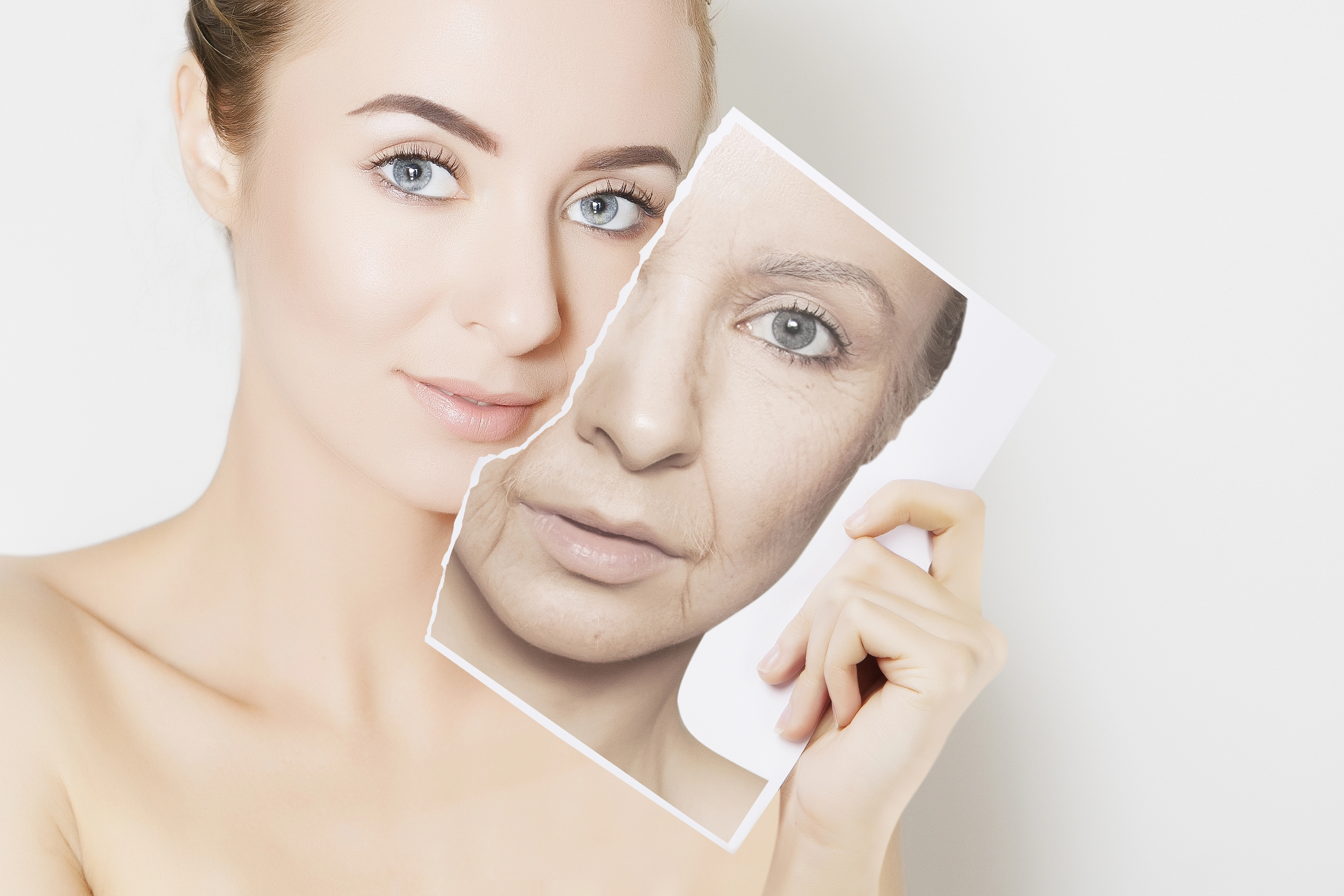
Non-surgical facelift alternatives include injectable treatments (fillers and neuromodulators), energy-based devices (Ultherapy and radiofrequency), and skin resurfacing procedures (lasers and chemical peels). These treatments can meaningfully improve facial appearance for the right candidate, but none of them can physically reposition the deep structural layers of the face the way surgery can. Understanding what each option actually does is the foundation of choosing the right approach.
Understanding Your Options for Facial Rejuvenation
The range of options available for facial rejuvenation today is broader than it has ever been, which makes the decision more complex than it used to be. Patients in their forties and fifties now have access to injectable treatments, skin tightening devices, laser resurfacing, and surgical procedures ranging from targeted mini lifts to comprehensive deep plane facelifts. Knowing which option fits your situation requires understanding something more fundamental: how the face actually ages.
As Dr. Adam Lowenstein explains to his patients, the visible signs of facial aging are not primarily caused by loose skin. They are caused by a loss of foundational structural support. The face is composed of layered anatomy: skin on the surface, fat compartments beneath it, the SMAS (the fibromuscular layer that connects facial muscles to the overlying tissue), and the deeper structures anchored to the facial skeleton. Over time, the ligaments that hold all of this in place stretch and weaken. The fat pads that once sat high on the cheekbones migrate downward. The SMAS descends. The skin follows. What looks in the mirror like skin laxity or volume loss is largely the downstream effect of that deeper structural descent.
This distinction matters because it determines what each treatment category can and cannot accomplish. Non-surgical treatments work at the surface or at the level of the skin. Surgery physically repositions what has moved.
Non-Surgical Facelift Alternatives: What They Can Do
Dermal Fillers (Juvederm, Sculptra, Restylane)
Dermal fillers add volume to specific areas of the face, including the cheeks, nasolabial folds, lips, tear troughs, and temples. They are genuinely effective for patients with subtle volume loss and early aging, and when used conservatively they can provide a refreshed, natural appearance without any downtime.
It is important to be precise about what fillers do and do not do. Fillers add volume. They do not lift. When a filler is placed beneath a hollow area of the face, it pushes tissue outward, which can create the visual impression of a lift. But the descended structural layers remain exactly where they are. For patients with early, mild signs of aging and minimal structural descent, this can be an appropriate and effective approach. Results typically last six to eighteen months depending on the product and treatment area. Dermal filler treatments are available at the Riviera Medical Spa under Dr. Lowenstein's protocols.
The limitations become significant when structural descent is already underway. Adding filler to a face where the fat pads and SMAS have already migrated downward adds weight to a system that is already under mechanical stress. It fills the hollows without addressing why those hollows formed. Over time and with repeated treatments, this can lead to what Dr. Lowenstein describes as filler fatigue, where the face looks over-volumized and heavy rather than refreshed.
Botox and Neuromodulators (Botox, Daxxify)
Neuromodulators like Botox and Daxxify work by relaxing the muscles responsible for dynamic wrinkles, the lines formed by repeated facial movement such as crow's feet, forehead lines, and frown lines. For these specific concerns they are highly effective and remain one of the most widely used treatments in aesthetic medicine.
What neuromodulators cannot do is address structural aging. They do not affect skin laxity, fat compartment position, SMAS descent, or jowling. They are surface treatments for muscle-driven concerns, and their results are temporary, typically lasting three to four months for Botox, with potentially longer duration for newer formulations like Daxxify. Botox treatments in Santa Barbara are available at the Riviera Medical Spa for appropriate candidates.
Energy-Based Devices (Ultherapy, Radiofrequency)
Ultherapy uses focused ultrasound energy to stimulate collagen production in the deeper layers of the skin and superficial SMAS. Radiofrequency devices work similarly, using heat energy to trigger collagen remodeling. Both can produce a modest degree of skin tightening over the weeks and months following treatment.
The key word is modest. These devices can be genuinely useful for patients with mild skin laxity who are not yet candidates for surgery or who want to extend the results of a prior surgical procedure. What they cannot do is mechanically reposition descended fat compartments, release stretched ligaments, or lift the SMAS and platysma back toward their original positions. The structural layers of the face do not respond to energy-based stimulation the way surgery repositions them. Results typically last one to two years and require maintenance treatments to sustain.
Laser Skin Resurfacing (CoolPeel, CO2, AVAVA)
Laser resurfacing addresses the surface quality of the skin. It can improve texture, reduce pigmentation, soften fine lines, and stimulate collagen to produce some degree of skin tightening. For patients whose primary concerns are skin quality rather than structural descent, laser treatments like CoolPeel or the Tetra CO2 can be highly effective.
Like energy-based devices, lasers do not lift or reposition tissue. They work at the level of the skin's surface and the superficial dermis. They are excellent adjunct treatments to surgery and are particularly valuable for patients who want to address both structural descent and skin quality in a single treatment plan. Dr. Lowenstein frequently integrates AVAVA laser skin rejuvenation at the time of DeepFrame Facelift surgery, allowing patients to address the deep structural framework and the skin surface simultaneously.
Comparison: Non-Surgical vs. Surgical Options
Treatment | What It Addresses | Can It Lift Deep Tissue? | Longevity | Downtime | Best Candidate |
Dermal Fillers | Volume loss, surface contour | No (adds volume only) | 6 to 18 months | None to minimal | Early aging, subtle enhancement |
Botox / Daxxify | Dynamic wrinkles (muscle-driven) | No | 3 to 6 months | None | Upper face lines, maintenance |
Ultherapy / RF | Mild skin laxity | No (surface tightening only) | 1 to 2 years | None | Mild laxity, non-surgical preference |
Laser Resurfacing | Skin texture and tone | No (surface quality only) | 2 to 5 years | Days to weeks | Skin quality concerns |
Mini Facelift | Lower face skin laxity | Partially (limited SMAS) | 2 to 5 years | 5 to 7 days | Early aging, mild jowling |
DeepFrame Facelift | Full structural descent (SMAS, fat pads, platysma, skin) | Yes (complete repositioning) | 10 to 15+ years | 10 to 14 days | Moderate to advanced aging |
Note: Cost ranges for these treatments vary based on the scope of treatment, provider, and geographic market. Any figures found through general online research represent broad regional averages for budgeting purposes only and do not reflect pricing at Montecito Plastic Surgery or the Riviera Medical Spa. Your exact cost will be discussed during your consultation.
Not sure where to start? Schedule a consultation with Dr. Lowenstein. He will evaluate whether non-surgical treatments, surgery, or a combination is right for you. Call 805-969-9004.
When Non-Surgical Treatments Are the Right Choice
Non-surgical treatments are genuinely appropriate for a significant portion of patients. The question is not whether surgery is always better, but whether the treatment being considered can actually achieve the patient's goals. Non-surgical approaches are well-suited when:
You are in your thirties or early forties with early, mild signs of aging
Your primary concerns are skin texture, fine surface lines, or subtle volume loss
You have no significant jowling, midface descent, or neck laxity
You want to maintain and extend the results of a previous surgical procedure
You are looking for a low-downtime option for minor refinement
For these patients, a thoughtfully designed non-surgical treatment plan at the Riviera Medical Spa can deliver natural, meaningful improvement without surgery.
When Surgery Becomes the Better Answer
There is a clinical turning point at which non-surgical treatments stop being the appropriate primary tool and surgery becomes the more honest answer. Understanding where that line is can save patients years of ongoing treatment costs and the frustration of results that fall short of their goals.
The most telling sign is structural descent. When the fat pads of the midface have migrated downward, when jowling has formed along the jawline, when the nasolabial folds have deepened because the cheek tissue above them has dropped, and when the platysma in the neck has lost its tone, no amount of filler or energy-based treatment will correct these changes. The underlying anatomy is in the wrong position. Volume cannot fix a positioning problem.
This is the point Dr. Lowenstein makes consistently and which he explores in depth in The DeepFrame Facelift: A Structural Guide to Modern Facial Rejuvenation. The face is not deflating like a balloon. It is descending like a structure whose supports have weakened. The fat pads have not disappeared. They have moved. Adding filler to the hollow areas left behind does not send the fat back where it came from. It places more volume on top of a structure that is already sliding.
A structural facelift corrects this mechanically. The DeepFrame Facelift physically repositions all three layers that have descended: the SMAS and the musculature beneath it, the fat compartments that define cheek contour and jawline shape, and the skin that overlies everything. Each layer is addressed in a coordinated way, with the skin redraped last and under no tension. This is categorically different from anything a non-surgical treatment can accomplish, not because surgery is inherently superior in all circumstances, but because no device or injection can physically move tissue back to where it was.
Surgery is also meaningfully more customizable than any non-surgical option. The specific SMAS technique, the vectors of repositioning, the degree of midface elevation, the treatment of the platysma in the neck, all of these are tailored to the individual patient's anatomy in a way that a standardized device protocol simply cannot replicate.
Surgery also becomes the more economically rational choice when viewed over a long time horizon. Non-surgical treatments require ongoing maintenance. A patient spending on fillers, neuromodulators, and energy-based devices over five to ten years can easily approach or exceed the cost of a surgical procedure that produces superior, longer-lasting results. A DeepFrame Facelift typically provides ten to fifteen or more years of meaningful improvement. For patients with significant structural descent, that comparison is worth making honestly.
Surgery warrants serious consideration when:
Jowling, midface flattening, or significant neck laxity is present
Nasolabial folds have deepened due to tissue descent rather than volume loss
Years of filler treatments have produced an over-volumized appearance without addressing the underlying cause
The face looks heavy or tired despite ongoing non-surgical maintenance
The goal is lasting structural correction rather than temporary maintenance
The Best of Both Worlds: Combining Surgical and Non-Surgical Approaches
For many patients, the most effective long-term plan combines structural surgery with thoughtful non-surgical maintenance. Surgery addresses the deep framework. Non-surgical treatments address the surface and extend results over time.
Dr. Lowenstein regularly integrates AVAVA laser treatment at the time of facelift surgery, which allows patients to simultaneously correct structural descent and improve skin texture and tone. Post-operatively, conservative Botox, targeted fillers, and periodic laser treatments at the Riviera Medical Spa can preserve and refine surgical results for years.
Because Montecito Plastic Surgery and the Riviera Medical Spa operate under the same roof with the same clinical oversight, patients benefit from a unified treatment plan rather than disconnected care from separate providers. Dr. Lowenstein can evaluate where you are in the aging process, recommend what will actually move the needle, and create a coordinated plan that addresses your face as a complete system.
Explore non-surgical treatments at the Riviera Medical Spa, conveniently located at Montecito Plastic Surgery.
Frequently Asked Questions
Can fillers replace a facelift?
For patients with early, mild aging such as subtle volume loss or fine surface lines, fillers can provide meaningful improvement without surgery. For patients experiencing structural descent including jowling, midface flattening, neck laxity, or deepened nasolabial folds, fillers cannot address the root cause. Adding volume to a face that has already experienced deep tissue descent temporarily masks the problem without correcting it. As Dr. Lowenstein explains, it is the equivalent of placing filler on top of a structure that is still sliding. The tissues have not disappeared. They have moved, and only surgery can move them back.
What is filler fatigue?
Filler fatigue occurs when years of injectable treatments create an over-volumized, heavy appearance that no longer looks natural. This happens because fillers add weight to tissues that have already descended, which can further stress the facial support structures over time. When this pattern develops, the face often looks wider, heavier, and less defined rather than refreshed. Surgical correction through a structural facelift is often the most effective way to address filler fatigue because it physically repositions the descended tissues rather than adding more volume to them.
Is Ultherapy a good alternative to a facelift?
Ultherapy can provide subtle improvement for patients with mild skin laxity who are not yet candidates for surgery or who want to maintain prior surgical results. For patients with moderate to advanced structural aging, including jowling, significant midface descent, or neck laxity, Ultherapy will not produce results comparable to a structural facelift. The device cannot mechanically reposition fat compartments, lift the SMAS, or correct platysmal laxity in the neck. It is a surface tightening tool, and its appropriate role is for mild laxity or as a maintenance treatment rather than as a primary correction for structural aging.
Can I combine non-surgical treatments with a facelift?
Yes, and for many patients a combined approach produces the best overall result. Dr. Lowenstein frequently integrates AVAVA laser treatment at the time of facelift surgery to address skin texture and tone alongside the structural correction. After surgery, Botox, conservative fillers, and laser treatments at the Riviera Medical Spa can maintain and extend surgical results. Because both surgical and non-surgical services are offered under one roof, the treatment plan can be coordinated from the start rather than assembled from separate providers.
How do I know if I need surgery or just fillers?
The most reliable way to answer this question is through a structural consultation with a board-certified plastic surgeon who offers both surgical and non-surgical options. Dr. Lowenstein evaluates the underlying framework of each patient's face, including skeletal support, fat compartment position, and tissue laxity, to determine what treatment will actually achieve the desired result. Because his practice includes both Montecito Plastic Surgery and the Riviera Medical Spa, the recommendation is based on what will work for your specific anatomy and goals, not on which service the practice would prefer to sell.
Whether you are exploring fillers, Botox, laser treatments, or a structural facelift, Montecito Plastic Surgery and the Riviera Medical Spa offer comprehensive options under one roof. Contact us to schedule your consultation and find out which approach is right for you.